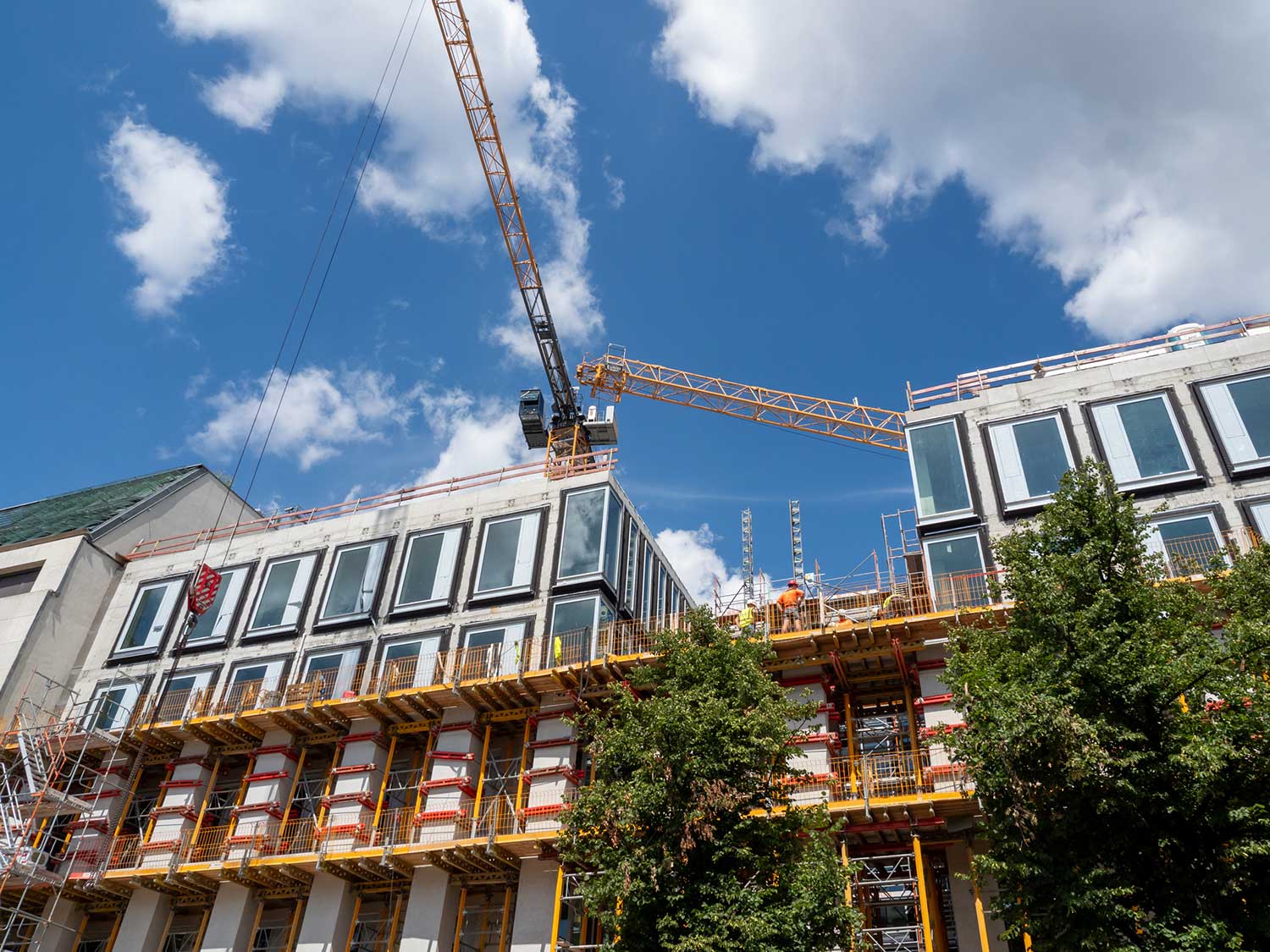
Did you know that, according to McKinsey, nearly 98 percent of megaprojects incur cost overruns or delays, often stretching budgets by as much as 80 percent and timelines by 20 months? These staggering figures underscore how even well-planned modular builds can suffer from construction delays and unexpected financial impact.
The Hidden Cost of Delayed Modular Deliveries (and How to Stay on Track)
Did you know that, according to McKinsey, nearly 98 percent of megaprojects incur cost overruns or delays, often stretching budgets by as much as 80 percent and timelines by 20 months? These staggering figures underscore how even well-planned modular builds can suffer from construction delays and unexpected financial impact.
With so much at stake, we’re breaking down the hidden costs of delayed modular deliveries—so you can avoid them. We’ll unpack why these delays happen, how they drive up project costs, and what you can do to stay ahead of schedule and on budget.
Construction delays in modular projects can quickly increase costs and strain budgets. These setbacks often affect more than just the delivery schedule. They can lead to higher labor expenses, equipment rentals, and other unexpected charges that may not have been planned for in the original budget.
There are three main ways delays in modular construction can impact costs:
When a project runs behind schedule, crews often need to stay on-site longer than planned—driving up labor costs, especially when overtime is required to meet revised deadlines. But labor isn’t the only cost that escalates.
Extended delays also impact equipment rentals. Cranes, forklifts, and other heavy machinery are typically scheduled and budgeted based on precise delivery windows. When modules don’t arrive on time, these machines sit idle—or worse, need to be rebooked entirely—resulting in additional charges, penalties, or even rescheduling fees. These unplanned extensions quickly eat into profit margins and can trigger a domino effect of cost overruns across the site.
Equipment rentals can also extend beyond the original agreement, leading to additional charges that eat into profit margins.
Project delays don’t just stall progress—they raise the cost of capital, especially in modular builds where financing often funds both factory production and site work concurrently. When construction stops, interest doesn’t—the debt continues to accrue even though there’s no revenue to offset it. In financial terms, this is known as Interest During Construction (IDC)—interest that gets added to the debt balance and compounds over time ScienceDirectFinancial Edge.
Adding real-world perspective: industry data shows that a 30‑day delay on a $10 million project can result in additional carrying costs of over $300,000—not including lost productivity or overhead impacts.
Furthermore, lenders may impose penalties or require renegotiation if milestones are missed. Borrowers might be forced to refinance under more stringent terms—higher interest rates, reduced loan-to-cost ratios, or increased equity requirements—which erodes ROI and undermines investor confidence.
Avoiding these financial ripple effects demands rigorous logistics planning, aligned delivery coordination, and proactive engagement with lenders to ensure milestone buffers and contingency plans are built into financing terms.
When a modular project is meant to generate income, delays can push back its opening date. The lost time can reduce profitability and disrupt business plans. Hotels, apartment complexes, and commercial spaces may miss peak seasons or lose early tenants, which directly affects revenue forecasts.
Modular construction is known for its potential to shorten building timelines, but delays can quickly erase that advantage. A setback in one phase often affects the rest of the schedule, creating a ripple effect that slows progress from manufacturing to completion.
There are three main ways modular construction delays can disrupt timelines:
When production stalls in the factory, it doesn’t just impact one part of the schedule—it throws off the entire project timeline. In modular construction, where sequencing is tightly coordinated, a delay in manufacturing often means crews on-site have nothing to install, leased equipment sits idle, and downstream contractors are forced to reschedule. These ripple effects quickly multiply costs.
Factory delays can be triggered by material shortages, change orders, or even design revisions made too late in the process. According to a 2023 McKinsey report, material delays alone contribute to up to 30% of modular project overruns (McKinsey & Company).
Recovering lost time in a factory setting isn’t easy. It often requires overtime shifts, expedited material shipments, or changes to production sequencing—all of which increase overhead and reduce profit margins. Worse, once production slips, it can cascade into transportation, crane bookings, and site labor availability—amplifying the financial impact.
Avoiding this starts with better front-end coordination between design, procurement, and logistics teams—ensuring manufacturing runs on time and every other phase can follow as planned.
Even when factory production stays on track, delivery remains a critical vulnerability. Transportation delays—from severe weather and traffic bottlenecks to limited hauling equipment—can derail your scheduled delivery plan. When modules don’t arrive as expected, on-site crews are forced to pause work, extending the overall project timeline and triggering costly schedule disruptions.
At Stream Modular, we tackle this head-on by building Transit Buffers™ into every delivery schedule. These buffers typically provide a one- to two-day cushion between factory completion and arrival on site—ensuring that minor setbacks don’t derail your timeline. This buffer not only absorbs common transport hiccups but also gives project managers leeway to reroute, reschedule, or adjust logistics when unexpected issues arise—keeping crews working and budgets intact.
Our approach includes staging modules in secure yards or offsite buffer areas before final delivery. This gives us flexibility to sequence deliveries, consolidate shipments, or delay loading when needed—without impacting site progress. In short, Transit Buffers function like shock absorbers for logistics, protecting modules from becoming the critical path and keeping construction on schedule.
Even with on-time delivery, if the site isn’t prepped—foundations incomplete, utilities behind—module installation can stall for days or even weeks. That delay creates a domino effect, pushing back interior work, inspections, and occupancy.
At Stream Modular, we align delivery schedules with verified site readiness checkpoints and maintain open coordination between the factory, transport, and field teams to prevent idle modules and costly rebooking delays. It’s one more way we keep your project moving forward.
Delays in modular construction can be reduced when the project team takes a proactive approach. There are three main strategies that help minimize delays in modular construction:
Having a reliable supply chain is one of the most important parts of keeping a modular project on track. It includes securing dependable vendors, tracking inventory, and ordering materials well before they are needed. It also means having backup suppliers in case the primary source cannot deliver on time.
Detailed scheduling helps make sure each step of the project is completed in the right order and on time. Coordination between the factory and the site team is especially important. When both sides know exactly when materials, equipment, and modules will arrive, the work can move smoothly without unnecessary downtime.
Open communication keeps everyone aligned on goals and timelines. Regular progress updates help the team identify issues early and adjust plans before they cause delays. When contractors, designers, and suppliers share information freely, it reduces misunderstandings and avoids last-minute changes that can slow production.
At Stream Modular, we prioritize proactive communication—through shared schedules, progress check-ins, and cross-team coordination—so issues are caught early and resolved fast. It’s how we keep projects aligned, efficient, and on time.
Transporting modular units is one of the most sensitive phases of the project. There are three main best practices for transporting modular units:
Each module must be properly secured and supported to withstand the movement and vibration of transport. This often includes outriggers to support the rim joists that are overhanging the trailer deck. Protective coverings can shield windows, finishes, and sensitive materials from weather and road debris. Strapping, bracing, and padding should be checked before the trip begins to reduce the risk of shifting during transit.
The type of trailer or vehicle used plays a big role in the safe transport of modular units. Utilizing specialized modular trailers with self-lifting and self-loading capabilities, which as hydraulic trailers, is often required in order to load modules from cribbing. Equipment should be in good working order, with drivers experienced in handling oversized and heavy loads.
Delivery timing is critical. Modules should arrive when the site is prepared and ready for installation.
It avoids unnecessary storage time, which can expose materials to weather or increase the chance of damage. Clear coordination between the factory, transport team, and site crew helps keep the process smooth and efficient.
Proper planning, secure transport, and precise scheduling can greatly reduce the risk of damage and construction delays when working with modular units.
At Stream Modular, we provide modular transport solutions that match the demands of each project, from specialized trailers to custom designs. Our skilled team manages every detail with precision, using autonomous mod trailers for safe loading and unloading. With a strategic, personalized approach, we’re enabling the future of construction and transforming the industry.
Get in touch today to find out how we can help with your modular transport needs!
Title
The Hidden Cost of Delayed Modular Deliveries
SEO Title
Uncovering the Cost of Construction Delays in Modular Builds
SEO Description
Discover the hidden costs of construction delays in modular projects. Find expert guidance to keep your projects on schedule and within budget.
Primary Keyword(s)
construction delays
Secondary Keyword(s)
modular construction delays, impact of construction delays, how to manage delivery delays, cost of project delays, prevent delayed deliveries
Construction delays in modular projects can quickly increase costs and strain budgets. These setbacks often affect more than just the delivery schedule. They can lead to higher labor expenses, equipment rentals, and other unexpected charges that may not have been planned for in the original budget.
There are three main ways delays in modular construction can impact costs:
When a project runs behind schedule, crews often need to stay on-site longer than planned. It increases labor costs, especially when overtime is required to meet deadlines.
Equipment rentals can also extend beyond the original agreement, leading to additional charges that eat into profit margins.
Delays can also raise the overall cost of project financing. Loans may accrue more interest while work is paused, and lenders may increase fees if milestones are missed. This can be particularly damaging for large modular builds where borrowed capital makes up a significant portion of the budget.
When a modular project is meant to generate income, delays can push back its opening date. The lost time can reduce profitability and disrupt business plans. Hotels, apartment complexes, and commercial spaces may miss peak seasons or lose early tenants, which directly affects revenue forecasts.
Modular construction is known for its potential to shorten building timelines, but delays can quickly erase that advantage. A setback in one phase often affects the rest of the schedule, creating a ripple effect that slows progress from manufacturing to completion.
There are three main ways modular construction delays can disrupt timelines:
When production in the factory is delayed, it directly impacts the timing of every other stage. Delays in receiving materials or changes in design can stall the start of manufacturing. Once production falls behind, it can be difficult to regain lost time without increasing costs or requiring extra shifts.
Even when production finishes on time, delivery can face setbacks. Transportation delays may occur from bad weather, traffic restrictions, or limited availability of hauling equipment. If modules cannot be delivered on the scheduled date, the site team may have to pause work, which extends the timeline.
Once modules arrive, they still need to be installed and connected. If the site is not ready, assembly can be pushed back by days or even weeks. This delay affects follow-up work such as interior finishing, inspections, and occupancy permits.
Delays in modular construction can be reduced when the project team takes a proactive approach. There are three main strategies that help minimize delays in modular construction:
Having a reliable supply chain is one of the most important parts of keeping a modular project on track. It includes securing dependable vendors, tracking inventory, and ordering materials well before they are needed. It also means having backup suppliers in case the primary source cannot deliver on time.
Detailed scheduling helps make sure each step of the project is completed in the right order and on time. Coordination between the factory and the site team is especially important. When both sides know exactly when materials, equipment, and modules will arrive, the work can move smoothly without unnecessary downtime.
Open communication keeps everyone aligned on goals and timelines. Regular progress updates help the team identify issues early and adjust plans before they cause delays. When contractors, designers, and suppliers share information freely, it reduces misunderstandings and avoids last-minute changes that can slow production.
Transporting modular units is one of the most sensitive phases of the project. There are three main best practices for transporting modular units:
Each module must be properly fastened and supported to withstand the movement and vibration of transport. Protective coverings can shield windows, finishes, and sensitive materials from weather and road debris. Strapping, bracing, and padding should be checked before the trip begins to reduce the risk of shifting during transit.
The type of trailer or vehicle used plays a big role in the safe transport of modular units. Flatbed trailers are common, but some oversized units may require specialized carriers. Equipment should be in good working order, with drivers experienced in handling large and heavy loads.
Delivery timing is critical. Modules should arrive when the site is prepared and ready for installation.
It avoids unnecessary storage time, which can expose materials to weather or increase the chance of damage. Clear coordination between the factory, transport team, and site crew helps keep the process smooth and efficient.
Proper planning, secure transport, and precise scheduling can greatly reduce the risk of damage and construction delays when working with modular units.
At Stream Modular, we provide modular transport solutions that match the demands of each project, from specialized trailers to custom designs. Our skilled team manages every detail with precision, using autonomous mod trailers for safe loading and unloading. With a strategic, personalized approach, we’re enabling the future of construction and transforming the industry.
Get in touch today to find out how we can help with your modular transport needs!
Share this Article     |