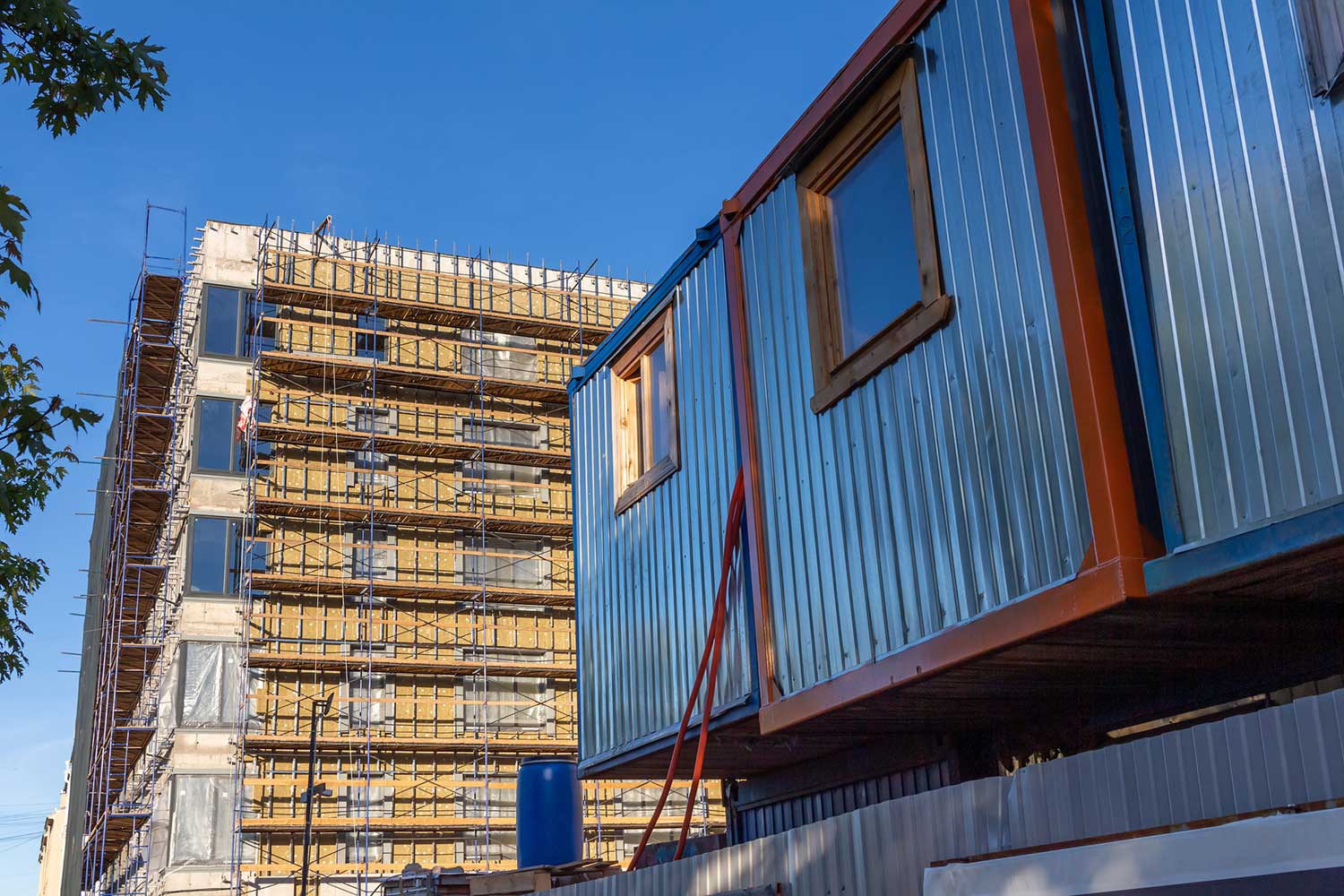
According to a 2024 report from the Modular Building Institute (MBI), office buildings make up 18% of all modular construction in North America. This shows that more companies are choosing new and smarter ways to build offices. One of the best choices today is prefabricated modular buildings.
These buildings are made in a factory and then put together on your land. They are quick to build, easy to change, and good for the planet. In this article, you’ll learn how these new building methods are changing office construction, making it possible to build offices faster and better.
Longer construction timelines are frustrating because they cause delays in using the building. They can also lead to higher costs and missed business opportunities. Developers may feel stressed when things don’t go as planned.
Modular buildings are built in a factory while the construction site is being prepared. This efficient construction technology allows both parts of the project to happen at the same time. As a result, office buildings can be completed much faster than traditional methods.
Some modular builders are now using AI-driven design platforms and industrialized construction methods similar to automotive manufacturing. These systems automatically optimize layouts, materials, and schedules based on data, reducing design-to-build cycles by weeks while improving yield predictability.
Weather delays and on-site issues are less of a problem since much of the work happens indoors. The building parts arrive ready to assemble, speeding up the final stage. Workers build everything the same way every time.
Companies can move into their new space sooner and start working without long waits. This is particularly vital for growing businesses or busy city projects. Faster timelines mean less disruption and quicker returns on investment.
Office development is often seen as expensive because it needs a lot of money for land, materials, and skilled workers. It also requires planning, permits, and special systems like heating, cooling, and electricity. All these parts add up and make the whole project cost a lot.
Modular construction helps achieve a cost-effective office design by lowering building costs without cutting quality. These savings make it easier to stick to your budget. Here are some key ways modular offices save money:
An emerging trend is combining CLT (cross-laminated timber) with modular units. These hybrid structures offer the beauty and low carbon footprint of timber with the speed and scalability of modular construction. Mass timber also performs well in seismic zones and significantly reduces embodied carbon compared to steel or concrete.
This approach offers great value while keeping the quality of work high. It also makes planning easier since costs are more predictable. You can even put the savings toward better finishes or extra features.
In construction, a layout shows where things will go in a building, like walls, doors, and windows. It’s a plan that guides workers on where to place everything. The layout helps ensure the building is built correctly and follows the workspace design.
Modular construction allows offices to be designed to fit each company’s needs. Layouts, finishes, and designs can all be tailored to match a brand’s style. This makes the space feel unique and more comfortable for workers.
A growing trend in modular office spaces is built-in biophilic design elements, including natural materials, lighting strategies that mimic circadian rhythms, and integrated indoor plant systems — all fabricated in the factory. These wellness-focused features support employee health and productivity while creating more inviting workspaces.
Companies can choose everything from floor plans to flooring and lighting. The look and function of the space can be adjusted to support different work styles. It helps create an office that matches how your team works best.
Whether you need quiet rooms, open spaces, or something in between, modular offices can deliver. The layout can be flexible and thoughtful without extra cost. You don’t have to settle for a one-size-fits-all solution.
If your needs change later, updates are easy to make. Contractors can adjust or add walls, furniture, and layouts without major work. This makes the building useful now and in the future.
Stakeholders consider a project successful if it can grow and adjust to future needs. Being scalable means it can handle more work or people without problems. On the other hand, being flexible means it can change easily if plans or needs change.
Modular offices can grow or change when your business does. With this level of flexibility, companies plan better for the future. Some of the ways modular buildings offer flexibility include:
Many innovative modular buildings are now being designed with resiliency in mind, including disaster-proof features like hurricane resistance, flood mitigation, and off-grid backup systems. These make them ideal for business continuity planning, remote work hubs, or emergency command centers in areas prone to natural disasters.
Modular design helps businesses adjust without unnecessary delays or costs. You’re not stuck with the same layout forever. It’s a smart way to keep up with growth and change.
Some forward-thinking modular builders now offer net-zero-ready or Passive House-certified modular office buildings. These units are engineered with airtight construction, high-performance windows, and renewable-ready systems like solar roof integrations that can dramatically reduce or eliminate energy needs.
Many factories use recycled materials and energy-efficient systems. These methods reduce pollution and save natural resources — they’re less harmful to the environment.
A ResearchGate study found that modular construction plays a key role in sustainable city development. It helps solve problems like too much waste and poor use of resources. These benefits make modular office solutions perfect for growing cities.
By choosing modular buildings, companies can more easily meet ESG goals. It’s better for the planet and can improve a company’s reputation. Building green is now simpler and more affordable than ever.
Risks like falls, heavy machinery, and poor conditions are common on traditional sites. In contrast, prefabricating factories use the same safe steps for each build. Their operations lead to fewer accidents and better results.
Some innovative firms are testing robotic systems to assist with on-site modular unit assembly, especially for multi-story modular office buildings. Robots can reduce strain on labor, improve safety, and ensure perfect placement of heavy components — further reducing workplace injuries and improving precision.
With fewer safety concerns, projects finish more smoothly and with less stress. It also helps keep insurance and legal costs lower. Safety is good for workers and for business.
Manufacturers can build modular buildings with smart features already installed. Everything is ready to go as soon as the building is set up. Here are some smart features often included:
With smart tech built in, you save time and money during setup. It also makes your office more comfortable and efficient. The result is a modern, connected workspace.
Factories manufacture modular buildings while inspectors check quality at each step. This controlled process creates strong, well-made buildings. Technicians test every part before shipping it to the site.
Factory conditions make it easier to spot problems and fix them early. Bad weather or rushed work doesn’t affect the quality. Everything is built the same way every time.
These offices meet all building codes and safety rules. They’re built to last and don’t need many repairs later. Strong quality control means fewer problems for owners.
The way people work is changing, and office building strategies are changing too. More workers now use hybrid or remote schedules. Modular buildings are perfect for this flexible setup.
Companies can build smaller offices in more locations, closer to where people live. They can also create coworking spaces that are easy to adjust. These new spaces support today’s modern work styles.
Companies can also use modular offices for short-term needs. If you want to try out a location, it’s easy to set up and take down. You don’t have to commit to something long-term right away.
Looking for a faster, easier way to build offices? Try prefabricated modular buildings. Contractors build them quickly, you can modify them to fit your needs, and they benefit the environment.
If you need help with your modular project, we make it simple. From moving parts to managing the whole process, we handle modular logistics, off-site construction logistics, and transport for modular buildings. Let’s get your office project moving today!
Share this Article     |