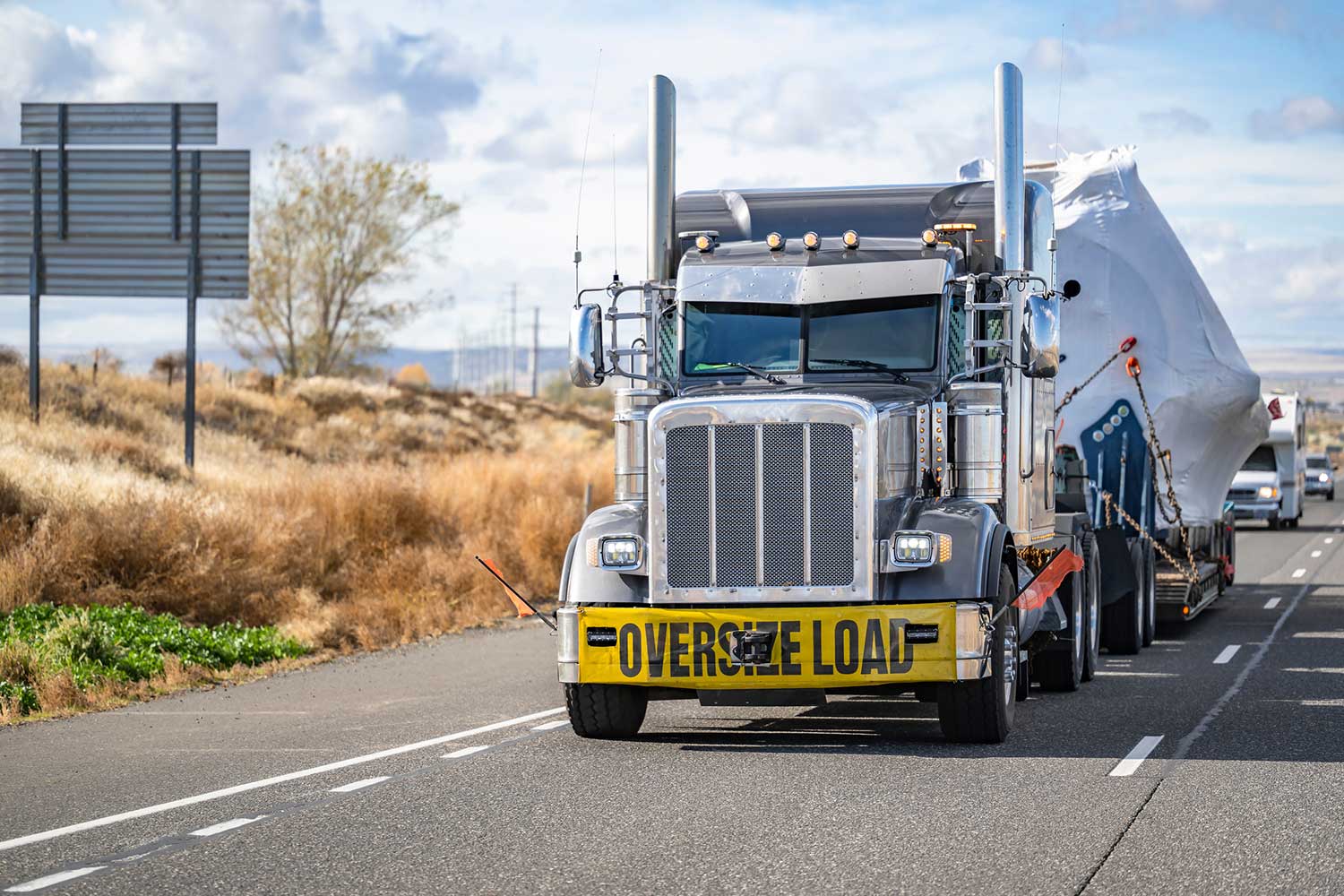
Do unexpected delays around permits, escorts, or route planning threaten your modular project deadlines? A recent study by the NIH found that poor logistics and coordination are among the key risks affecting cost and schedule performance in modular construction.
These oversights can lead to serious setbacks when moving prefabricated units. Today, we’re taking a closer look at why securing project route permits, organizing escorts, and thoroughly planning routes are pivotal.
Permits are a critical part of any modular project. Without them, transportation of prefabricated units can quickly face delays, added costs, or legal penalties.
Every city and state has its own regulations for moving oversized loads, and these rules are often strict. If a team begins transport without the right permits, the consequences can stop progress entirely.
Permits are not just paperwork. They’re the approvals that keep a modular project moving forward smoothly.
There are three main reasons why permits are so important for modular construction:
Moving prefabricated units often means transporting items that are taller, wider, or heavier than standard load limits. Project route permits grant permission to move these units legally.
Without them, the load may be stopped mid-transport, forcing the team to wait until proper paperwork is in place. It can disrupt deadlines and cause financial setbacks.
A missing or expired permit can lead to significant delays. Transportation crews may be forced to park the load until the correct documents are secured.
Some states also issue heavy fines for moving modular components without valid permits. These costs add up quickly and can strain the project budget.
Every region sets its own rules for moving oversized loads. Some require permits for specific roads, while others have restrictions on travel times or weather conditions. Securing the right permits confirms that the modular project is following all requirements, reducing the risk of conflict with transportation authorities.
A modular project often requires several different permits before transportation can begin. Each type serves a unique purpose and helps make sure that the movement of prefabricated units is legal, safe, and in compliance with regulations.
Without the right permits, a project can face delays or added costs that disrupt schedules. Knowing the main types of permits helps project teams plan better and avoid setbacks.
Three main types of permits are commonly needed for modular construction planning:
Many prefabricated units exceed the size or weight limits set for standard vehicles. An oversize load permit grants the legal right to transport these units along approved routes.
This type of permit specifies the maximum dimensions allowed and may limit travel to certain times of day. Without it, the load risks being stopped and delayed.
In some cases, moving a modular structure requires shutting down part of a road or restricting access to certain lanes. A temporary road closure permit authorizes this and coordinates with local traffic control. It helps prevent congestion and keeps the route safe for both the transport team and the public.
When prefabricated units are especially large or wide, escort vehicles may be required to travel alongside or ahead of the transport. An escort vehicle permit authorizes their use and confirms that they meet the requirements of the jurisdiction. Escorts improve safety and assist in guiding the load through challenging areas.
Escort vehicles play a major role in keeping a modular project on schedule and safe. They are often a requirement when moving prefabricated units that are longer, wider, or heavier than standard transportation limits.
Escorts help guide drivers through challenging areas and protect both the load and the surrounding traffic. Without them, large shipments can become hazards, face delays, or risk legal issues.
There are three main ways escort vehicles support modular transportation logistics:
Escort vehicles create a buffer zone around the transport truck. This gives the driver of the prefabricated unit more space to operate and warns nearby motorists to keep their distance.
The added visibility reduces the risk of accidents, especially on busy roads or in poor weather conditions.
Some routes require escorts to help control traffic flow. It can mean:
These actions keep the load moving steadily while minimizing disruptions for other road users.
In many areas, escorts are required by law for loads that exceed certain size limits. The number and type of escorts depend on the:
By having the correct escort vehicles, the modular project stays compliant and avoids costly violations.
Transporting modular units from the manufacturing site to the build site requires careful route planning. This step is important to avoid costly delays, keep equipment safe, and ensure delivery runs smoothly.
There are three main parts to effective route planning:
Large modular units often require wide or tall load clearances. Some roads have low bridges, sharp turns, or weight limits that can cause delays or even make a route impossible. Identifying these restrictions early allows you to choose the most direct and safest route for transport.
Transporting oversized loads usually requires state or local permits. In some cases, escort vehicles are needed to guide the delivery and manage traffic. Securing these permits in advance avoids last-minute delays and keeps the move in compliance with regulations.
Even with a set route, issues such as road closures, construction zones, or weather problems can occur. Having alternate routes ready and coordinating with the transport team helps keep delivery on schedule. Being ready to adjust plans makes it easier to overcome challenges without major setbacks.
There are several factors that make route optimization for modular construction projects more complex than standard transportation planning. These challenges often require careful coordination to keep schedules and costs on track. Some of the most common issues include:
Transporting large modular units often triggers special transportation rules. States and municipalities may have different requirements for:
Delays can occur if approvals take longer than expected or if changes to the route require new permits. Staying ahead of these regulations is important to avoid unexpected downtime.
Not all roads, bridges, or intersections can handle the size and weight of modular units. Low bridges, narrow turns, and weight restrictions can force rerouting. Each alternative path must be evaluated for safety and compliance, which can lengthen the planning process and increase transportation costs.
High winds, heavy rain, or icy roads can create safety risks and cause transport delays. Seasonal changes and local climate patterns should be factored into route planning to reduce the risk of weather-related disruptions.
From the start, all parties need to have a shared vision of the project. This includes the:
Early discussions about design requirements, timelines, and budget help avoid conflicts later. When everyone understands the same objectives, the process runs more smoothly.
Regular updates keep all stakeholders informed and engaged. This can be done through:
When questions or issues arise, quick responses help maintain momentum and reduce the risk of misunderstandings.
Modular construction depends on timing. Modules need to be produced, transported, and assembled in sequence. If one group falls behind, the entire project can be affected, so close attention to timelines is necessary.
A successful modular project depends on careful planning, clear communication, and strong coordination.
At Stream Modular, we’re enabling the future of construction and changing the industry with our modular transport expertise. Our skilled team uses advanced autonomous trailers and custom solutions to handle complex projects safely and efficiently. From strategic planning to final delivery, we provide personalized service to meet every modular project’s unique needs.
Get in touch today to find out how we can help with your modular transport needs!
Share this Article     |