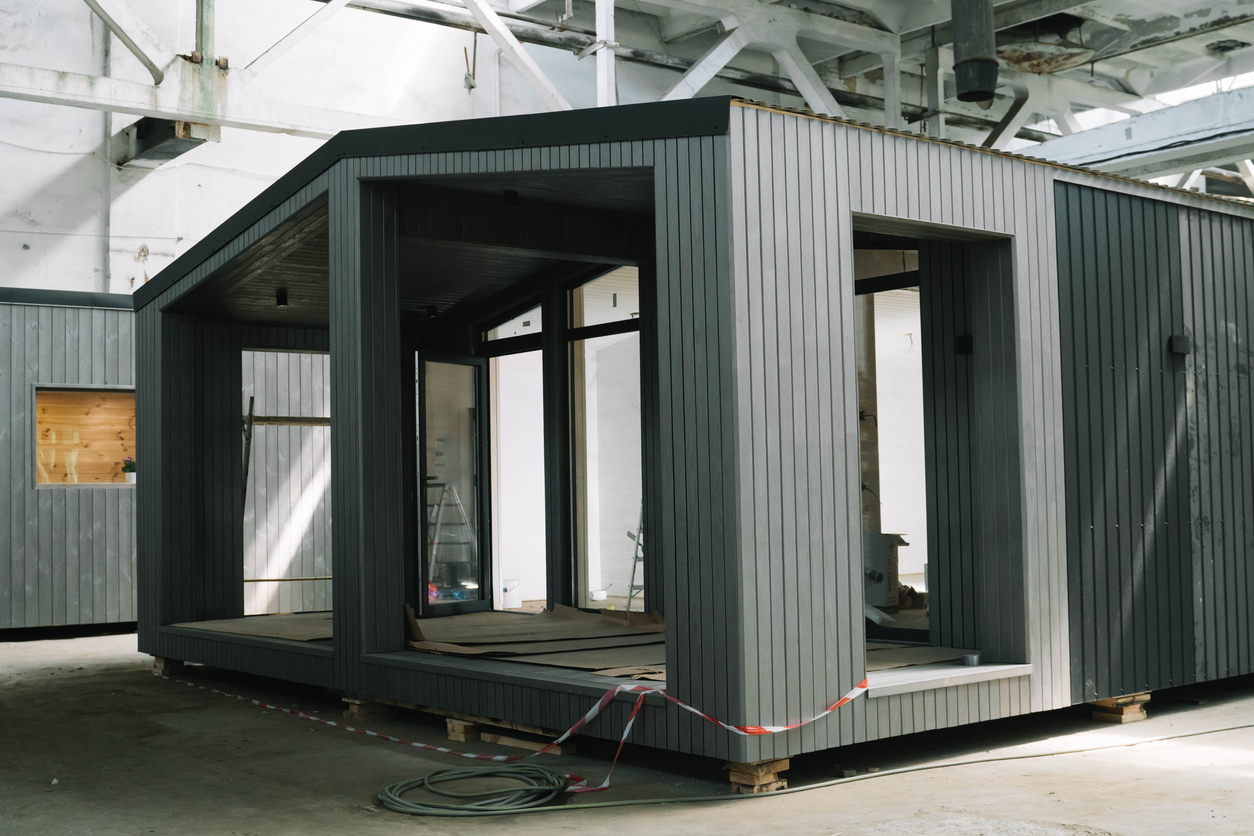
Large construction projects can often go over budget and beyond their end date. But according to the Center for American Progress, modular construction offers a promising alternative, with the potential to accelerate project timelines by 30% to 50%.
However, without proper planning and execution, even modular projects can encounter delays.
To help you maximize the efficiency of your modular building endeavors, we’ve compiled 18 essential tips to avoid unnecessary delays. Join us, as we explore strategies ranging from meticulous pre-construction planning to effective communication among teams, all aimed at ensuring your modular construction projects stay on track and within budget.
A well-structured plan is one of the best ways to prevent project delays. You should map out every phase, from design to installation, before construction starts.
A clear timeline with realistic milestones helps keep the project on track. Coordination between architects, engineers, and contractors is just as important. Gaps in communication or missing details in the design phase can cause setbacks later.
Review all site conditions, transportation logistics, and material availability ahead of time. Careful planning helps optimize construction workflow, making it easier to manage unexpected issues without derailing the entire schedule.
The method used in modular construction can affect efficiency and project timelines. Volumetric modular construction involves building entire sections in a factory, while panelized systems produce flat components that are assembled on-site.
Each method has its advantages depending on site conditions, transportation limits, and project complexity. Volumetric modular construction can speed up installation but requires careful transport planning.
Panelized systems offer more flexibility but may take longer to assemble. The right choice can help streamline construction processes and prevent project delays. Evaluating these factors early in the planning phase can make a significant difference in overall workflow.
Working with experienced suppliers and contractors is one of the best ways to prevent project delays. Modular construction relies on precise coordination between factory production and on-site assembly.
If a supplier misses a delivery or a contractor lacks experience with modular techniques, delays can pile up quickly. It’s important to vet vendors carefully, checking their track record with similar projects.
A strong network of reliable professionals can help streamline construction processes and maintain modular construction efficiency. Establishing clear contracts with deadlines and expectations can also reduce the risk of disruptions and keep the project on schedule.
A well-structured timeline is key to keeping a modular construction project on track. Setting unrealistic deadlines can cause rushed decisions, mistakes, and costly setbacks.
Each phase should have a clear schedule, including design, factory production, transportation, and on-site assembly. Communication between teams is just as important.
If the factory and on-site crews are not aligned, modules may arrive before the site is ready or installation may fall behind. A balanced schedule allows for unexpected delays without throwing off the entire project. Careful planning helps optimize construction workflow and keeps everything moving at a steady, manageable pace.
Delays caused by permits and approvals can slow down modular construction projects before they even begin. Local building codes, zoning laws, and environmental regulations vary by location, so it’s best to address these early in the planning phase.
Submitting applications as soon as possible helps prevent last-minute setbacks that could hold up factory production or site work. Working with professionals who understand local regulations can make the process smoother.
Without proper approvals in place, your project might have to pause, leading to wasted time and increased costs. A proactive approach keeps everything moving toward timely completion.
Custom designs can slow down modular construction and increase costs. Using standardized designs helps speed up approval processes and reduces the need for last-minute adjustments.
Many modular manufacturers offer pre-approved layouts that meet building codes and industry requirements. Repeating these designs across multiple projects allows for smoother production and installation.
You might still need small modifications, but limiting customizations prevents delays caused by extra engineering and permitting steps. Standardization helps maintain modular construction efficiency while keeping projects on schedule. Choosing proven layouts can simplify coordination between factory production and on-site work, making the entire process more predictable.
Strong communication is one of the best ways to prevent project delays. Modular construction involves multiple teams working in different locations, so clear coordination is necessary.
Aligning all factory production, transportation, and on-site assemblywill help you avoid scheduling conflicts. Regular meetings and updates help identify potential issues before they cause setbacks.
Using project management software can make it easier to track progress and share information in real-time. Miscommunication can lead to costly mistakes and wasted time. A well-connected team helps streamline construction processes and keeps everything running smoothly from start to finish.
A construction site must be fully prepared before modular units arrive. If the foundation, utilities, or access roads are not in place, the project can face costly delays. Site preparation should be coordinated with factory production to match delivery schedules.
Any misalignment can cause storage issues or force crews to wait, slowing down installation. Weather conditions, soil stability, and local regulations should all be considered in advance.
By confirming that the site is ready before delivery, projects can avoid unnecessary setbacks. The approach helps streamline construction processes and keeps everything moving toward timely completion.
Choosing high-quality materials can help avoid construction delays and costly rework. Inferior materials may lead to defects that require repairs, slowing down both factory production and on-site installation.
Modular units should be built to withstand transportation and installation stresses without damage. Verifying material quality before production begins can reduce unexpected issues later.
Stronger materials may cost more upfront, but they often save time and money by preventing failures during or after assembly. Prioritizing durability and reliability helps maintain modular construction efficiency and keeps projects moving forward without unnecessary setbacks.
Quality control is one of the best ways to prevent project delays in modular construction. Inspections should be done at every stage, from material selection to final installation.
Identifying defects early can help avoid costly fixes later. Factory-built modules should meet strict standards before they are transported to the site. Any structural or design flaws caught in advance will save time during assembly.
A clear quality control process reduces the risk of last-minute changes that could slow down progress. Maintaining high standards throughout production and installation helps keep modular construction efficiency on track and ensures a smooth workflow.
Modular units must be transported safely and efficiently to prevent project delays. Poor planning can lead to damaged modules, unexpected costs, or delays at the site.
Routes should be mapped out in advance to avoid road restrictions or clearance issues. Delivery schedules must align with site readiness to prevent storage problems.
The right lifting equipment and trained crews should be available when modules arrive. Weather conditions should also be considered to avoid unnecessary risks during transport. A solid transportation plan helps streamline construction processes and keeps the project on schedule from the factory to final installation.
Unpredictable weather can slow down modular construction if not planned for in advance. Heavy rain, snow, or extreme temperatures can affect transportation, site preparation, and installation.
Choosing weather-resistant materials helps protect modules from damage during storage and transport. Scheduling construction phases around seasonal conditions can reduce weather-related disruptions.
If bad weather is expected, temporary coverings or heating solutions can keep work moving. Delays caused by weather may be unavoidable at times, but planning ahead can minimize their impact. Taking these steps helps prevent project delays and keeps the overall timeline as steady as possible.
Proper training helps prevent project delays and improves modular construction efficiency. Workers should understand how modular units are built, transported, and installed.
Crews with experience in traditional construction may need additional training to handle modular-specific tasks. Clear guidelines on handling materials, securing modules, and connecting systems can reduce mistakes and rework.
Factory workers should follow strict quality control standards to ensure each unit meets specifications before it leaves the facility. Site crews should be trained to install modules safely and efficiently. Well-prepared teams work faster and reduce the risk of costly errors that could slow down the project.
Poor inventory control can slow down modular construction and lead to unexpected costs. Materials should be tracked closely to avoid shortages that delay production or installation.
Ordering supplies in advance helps prevent last-minute disruptions, especially for items with long lead times. Relying on a single supplier increases risk, so working with multiple vendors can provide backup options if delays occur.
Keeping an organized inventory system ensures that materials are available when needed. A well-managed supply chain helps streamline construction processes and keeps projects moving forward without unnecessary interruptions or wasted time waiting for deliveries.
Digital tools can improve communication and help keep modular construction on schedule. Project management software allows teams to track progress, manage timelines, and quickly address issues.
Building Information Modeling (BIM) can detect design conflicts before construction begins, reducing the chance of costly adjustments later. Cloud-based platforms give all stakeholders access to real-time updates, which improves coordination between factory teams and on-site crews.
Without these tools, delays may arise from miscommunication or missing details. Using technology to organize workflows helps optimize construction workflow and ensures a smoother process from planning to completion.
Be sure to plan all utility connections early to avoid delays in modular construction. Electrical, plumbing, and HVAC systems should align with the modular design to prevent issues during installation.
Miscommunication between factory teams and site crews can lead to mismatched connections, requiring costly adjustments. Local utility providers should be involved early to confirm service availability and connection timelines.
If you need to install underground utilities, they should be completed before module delivery. Careful coordination between all teams helps prevent project delays and keeps the installation process moving smoothly from start to finish.
Keeping track of progress helps prevent small issues from turning into major delays. Regular site inspections and check-ins with factory teams ensure that work stays on schedule.
If problems arise, addressing them early can keep them from affecting other phases of the project. Construction management software can provide real-time updates and help teams stay coordinated.
Without clear oversight, miscommunications or overlooked details can slow things down. You might need to make adjustments as the project moves forward, but staying proactive helps optimize construction workflow. A steady review process keeps everything running smoothly and reduces the risk of unexpected setbacks.
Preventing project delays requires careful planning, strong coordination, and proactive decision-making. Each phase of modular construction must align, from design and factory production to transportation and site installation.
Miscommunication, poor scheduling, and last-minute changes can slow progress and increase costs. Staying organized and following best practices helps streamline construction processes and improve modular construction efficiency.
Addressing potential challenges early reduces risks and keeps everything on track. By applying these strategies, teams can prevent project delays and complete modular builds on time. A well-executed plan leads to faster construction, fewer disruptions, and a more reliable final result.
Delays in modular construction can lead to higher costs and missed deadlines. Following these tips to avoid unnecessary delays helps keep projects on schedule. From early planning to strong communication, each step plays a role in efficiency. A well-managed process ensures smoother construction and a faster, more reliable outcome.
Our modular transport services provide customized solutions for safe and efficient loading and offloading. With specialized trailers and autonomous mod technology, we handle complex transportation needs with precision. Our experienced team uses a systematic approach to project management, ensuring every modular move is carefully planned and executed to meet unique requirements.
Get in touch today to find out how we can help with your modular transport needs!
Share this Article     |